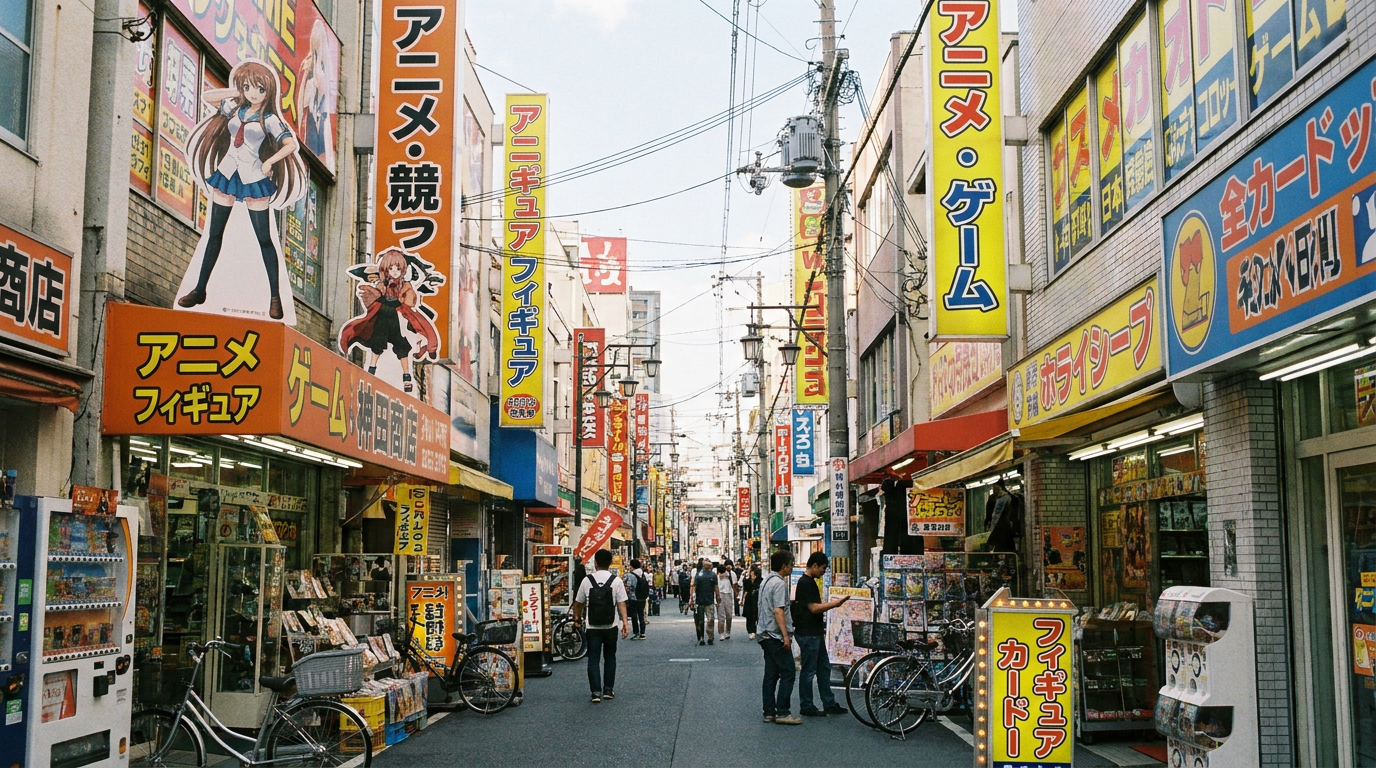
Your first time walking into a Japanese card shop is going to feel alien. The layout is different from Western hobby shops, the etiquette is different, the pricing system is different, and everything is in Japanese. Here's what I wish I'd known before my first visit.
Cash is Still King
Payment methods are evolving in Japan, but many smaller card shops are still cash only. Even shops that accept credit cards often have a minimum purchase amount. Always carry cash.
7-Eleven ATMs accept international Visa and Mastercard. They're everywhere. Withdraw a comfortable amount before a shopping day and you'll be covered.
Tax-Free Shopping Saves You 10%
This is the single easiest way to save money. Spend over the minimum threshold (currently around a few thousand yen) in a single store, show your passport, and you pay no consumption tax. That's a flat 10% discount on everything.
Most major card shops participate: Hareruya, Yellow Submarine, Card Lab, Mandarake, Surugaya. Some smaller independents don't. Look for the "Tax Free" sticker near the register.
Useful Japanese for Card Shops
"Kore wa ikura desu ka?" (これはいくらですか?) — How much is this?
"Kono kaado o misete kudasai" (このカードを見せてください) — Can I see this card please?
"Pokemon kaado wa doko desu ka?" (ポケモンカードはどこですか?) — Where are the Pokemon cards?
"Menzei dekimasu ka?" (免税できますか?) — Can I get tax free?
Don't Touch the Display Cases
This trips up a lot of foreign visitors. In Western card shops, you might open a case, flip through binders, or pull cards out to inspect them. In Japan, never touch cards in display cases without asking staff first.
Point at the card you want to see, say "misete kudasai" (please show me), and staff will pull it out with clean hands or gloves. They'll hand it to you, you inspect it, and you hand it back. It's a ritual, and following it earns you better treatment and sometimes access to unlisted stock.
Pricing: How Japanese Shops Work
Japanese card shops price every card individually with small stickers or digital price tags. There are no "make an offer" bins (mostly). Prices are what they are.
What varies is WHERE in the store you look. Most shops have three tiers:
- Display cases (showcase): Highest-value cards, the highest-value singles. These are individually graded for condition and priced accordingly.
- Binder stock: Mid-range cards at various price points. Organised by set or type. This is where most of your shopping happens.
- Junk/bargain bins: Budget cards, often surprisingly cheap. Mostly commons and bulk, but hidden gems appear regularly. I check these every visit.
Condition Grading in Japanese Shops
Japanese shops use their own condition scale, which is stricter than Western standards:
- S (Mint/Near Mint): Perfect or near-perfect. Equivalent to PSA 9-10.
- A (Excellent): Minor whitening or very faint edge wear. PSA 7-8.
- B (Good): Visible wear, light scratches. PSA 5-6.
- C (Played): Significant wear, creases, or damage. PSA 3-4.
Japanese "A" condition is roughly equivalent to what Western sellers call "Near Mint." Their "S" is genuinely mint. If you're buying vintage and care about condition, the Japanese grading system is actually more trustworthy than most Western marketplace listings.
The single biggest advantage of buying cards in Japan isn't the price — it's the condition. Japanese collectors treat their cards with a care that Western markets rarely match.
What to Buy (And What to Skip)
Buy in Japan: Japanese-exclusive promos, vintage Japanese cards, Art Rares and Special Art Rares (cheaper than international prices), Pokemon Center exclusive merchandise, and sealed Japanese booster boxes.
Skip in Japan: English-language cards (overpriced as imports), PSA-graded modern cards (premium is too high), and anything you can get on Yahoo Auctions Japan for less (check before your trip).